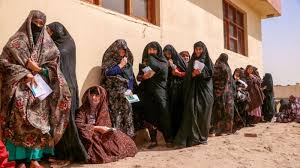
Northern Afghanistan reeled from a powerful 6.3 magnitude earthquake that struck early Monday morning, claiming at least 27 lives and injuring nearly 1,000 others while causing extensive damage to homes and historic sites, including the iconic 15th-century Blue Mosque.
The U.S. Geological Survey centered the tremor near Kholm in Samangan province, but damage reports have emerged from at least five additional provinces, with the Taliban government coordinating emergency response efforts across affected regions.
The Immediate Impact
Videos posted online captured the earthquake lasting approximately 20 seconds, with such force that tremors were felt across the capital Kabul and neighboring countries, triggering panic among families in the pre-dawn hours. The quake’s epicenter in the remote Samangan region, combined with Afghanistan’s mountainous terrain and existing infrastructure vulnerabilities, amplified the disaster’s human toll.
Sharafat Zaman, spokesman for the Taliban’s Ministry of Public Health, confirmed 27 confirmed deaths concentrated primarily in Samangan and neighboring Balkh provinces, with additional fatalities in Baghlan, Kunduz, Sar-e-Pul, and Jawzjan provinces. A total of 953 confirmed injuries have been reported.
Displacement and Winter Emergency
The Afghanistan National Disaster Management Authority reported that over 500 homes were partially or completely destroyed, leaving families at immediate risk of displacement. The timing couldn’t be worse—winter is rapidly approaching, and thousands of newly homeless Afghans face freezing temperatures without shelter or resources.
International agencies have pledged emergency aid and humanitarian assistance, but rescue operations face significant challenges from difficult terrain, limited infrastructure, and the harsh approaching weather.
Historic Damage and Cultural Loss
Beyond the human tragedy, the earthquake inflicted significant damage on Afghanistan’s cultural heritage. Mazar-i-Sharif’s renowned Blue Mosque, a 15th-century architectural masterpiece and sacred site for Sufi Muslims, sustained substantial structural damage. Regional government spokesman Haji Zahid shared videos documenting the harm to the landmark, heightening concerns about the loss of irreplaceable cultural monuments.
The Broader Crisis
Afghanistan remains one of the world’s most vulnerable nations to natural disasters, with limited disaster preparedness infrastructure, weak emergency response systems, and widespread poverty that makes recovery exceptionally difficult. The Taliban government, facing international isolation and resource constraints, has limited capacity to mount comprehensive relief operations.
With winter approaching and relief supplies stretched thin, survivors face months of hardship before normalization can be achieved.