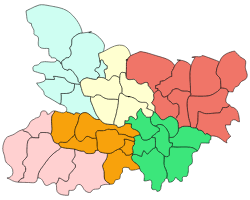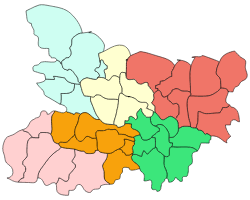
The first phase of the Bihar assembly elections commenced today, launching a week of intense political activity in one of India’s most populous states. A strong voter turnout was reported across the 121 constituencies despite tight security and sporadic local disputes.
All major political alliances, especially the ruling NDA and the opposition INDIA bloc, have mobilized their resources heavily in hopes of securing a clear path to power. The Election Commission, in an effort to ensure free and fair elections, has introduced new protocols including extended voting hours, improved security deployment, and innovative grievance redressal systems for voters.
National Alliances Face Key Test
The contest carries national implications. Prime Minister Narendra Modi’s BJP-led National Democratic Alliance is seeking to consolidate power, while opposition parties led by the RJD and Congress aim to wrest the state by capitalizing on local discontent over unemployment, inflation, and development. As many as 1,250 candidates are in the fray, with new faces contesting in several key seats and a notable rise in women and youth candidates.
Women Voters and Security
A record number of women are expected to participate, encouraged by targeted outreach on safety and legal rights. Union Home Minister Amit Shah, on a campaign tour, noted a significant reduction in violent incidents, citing the effectiveness of increased police patrols and security forces at polling stations.
Key Election Dates
The two-phase voting continues through November 11, with results to be declared on November 14. Political observers believe the outcome will set the tone not just for Bihar’s future but for the alignment of Indian politics ahead of the 2026 national elections.
Despite allegations of faulty voter slips and seat-sharing tensions within opposition alliances, the massive local turnout and peaceful polling so far suggest a vibrant democratic exercise in Bihar.