A startling new G20 report on global inequality reveals that India’s wealthiest 1% experienced a 62% surge in wealth between 2000 and 2023, starkly illustrating the nation’s deepening wealth divide and positioning inequality as a critical threat to democratic institutions and economic progress.
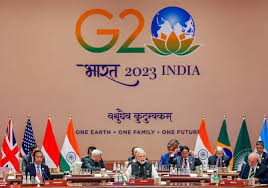
Commissioned under South Africa’s G20 presidency and led by Nobel laureate Joseph Stiglitz, the report examined global patterns of income and wealth disparity, finding that extreme inequality has now reached “emergency” levels across the world.
India’s Stark Inequality Picture
India’s inequality trajectory mirrors troubling global patterns. While the nation’s top 1% accumulated wealth at unprecedented rates, the bottom 50% saw their collective wealth increase by just 1% over the same 23-year period. This staggering disparity means the wealth of the richest 1% grew 2,655 times faster than the wealth of the poorest half.
Globally, the top 1% captured 41% of all new wealth generated since 2000, while the bottom 50% gained only a meager 1%, according to research from the World Inequality Lab.
Global Inequality at Emergency Levels
The report’s scope extends far beyond India. Nationally, 83% of countries exhibit high income inequality (Gini coefficient above 0.4), accounting for 90% of the world’s population. The global Gini coefficient stands at 0.61, indicating profound wealth stratification.
Stockingly, the report notes that the bottom 50% of the global population has seen average real income increase by just $358 over 40 years, while the richest 1% enjoyed income gains of $191,000 in the same period.
Democracy and Stability Under Threat
Stiglitz warned that nations experiencing significant inequality face real risks to democratic values. “It’s not just undermining cohesion—a problem for our economy and our politics,” the economist stated, emphasizing that extreme inequality corrodes the social contract and institutional trust.
The report highlighted additional crises linked to inequality: 2.3 billion people face food insecurity, while extreme wealth concentration undermines climate action and economic resilience.
A Call for Systemic Change
To combat these alarming trends, the G20 taskforce proposed establishing a new global panel on inequality, modeled after the Intergovernmental Panel on Climate Change (IPCC). This international body would assess the causes and effects of inequality while guiding governments and policymakers toward solutions.
The report also introduced the Inequality Progress Index (IPI), designed to track inequality metrics and inform global policy responses to this mounting crisis.
India’s Development Paradox
India’s situation reflects a broader paradox: strong economic growth has coexisted with inadequate wealth distribution. As the nation climbs global GDP rankings, the fruits of this growth remain concentrated among elites, leaving hundreds of millions in relative poverty despite overall economic expansion.
Experts argue that without deliberate policy intervention—progressive taxation, wealth redistribution, investment in public services, and labor market reforms—India’s inequality crisis will only deepen, threatening both social stability and the nation’s democratic fabric.