India’s Supreme Court Proposes Ban on Luxury ICE Cars to Promote Electric Vehicles
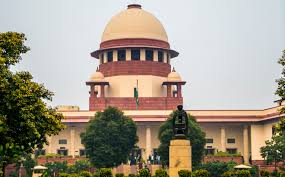
Faced with the annual onslaught of hazardous air quality in Delhi and other metros, India’s Supreme Court has made a bold recommendation: phase out luxury petrol and diesel cars as an initial step to drive the country’s electric vehicle (EV) transition. The move, discussed during a hearing on November 13, is being seen as a bellwether for broader policy reform.
A Targeted Approach
Justice Surya Kant of the Supreme Court stated, “First, consider banning extremely expensive cars. Because very few Indians can afford that, the average person will not be impacted.” He emphasized that such a measure would send a powerful signal for cleaner mobility while sparing the general public from immediate disruption.
Policy Implications
The suggestion aligns with the government’s multi-ministerial push for EV adoption. Phasing out luxury premium cars first—vehicles often associated with VIPs and corporate leaders—could serve as a “pilot project” before broader restrictions are applied to mass-market vehicles.
The bench also called on government agencies to revisit and update the decade-old National Electric Mobility Mission Plan, suggesting targeted pilot programs in major metros like Delhi, Mumbai, Kolkata, Chennai, and Bengaluru. Justice Kant noted the improving quality and availability of large electric vehicles, saying luxury buyers now have viable options comparable in comfort and capability to their petrol or diesel counterparts.
Industry and Public Response
Industry analysts suggest that while luxury ICE vehicle sales represent a small sliver of the Indian car market, a ban would be a “high-visibility” intervention, likely to spur further policy debate. Environmentalists have welcomed the move as a “critical nudge” toward sustainable transport. However, automakers say clarity and lead time will be essential.
Air Quality Emergency
The Supreme Court’s remarks come against the backdrop of another winter pollution emergency in Delhi, with particulate levels surging and public health warnings at their peak. “There is permanent damage to the environment,” the bench observed, warning that incremental solutions are no longer sufficient.
As the Centre and key ministries weigh their next policy steps, the broader transition to EVs remains a complex, multi-year challenge that will require parallel investment in charging infrastructure, supply chains, and public awareness. For now, the Court’s directive may serve to jump-start a national conversation around greener urban mobility.